

Seedream 5 Lite
Seedream 5 Lite unifies visual understanding, reasoning, generation, and editing. Use it on Nuzza for structured explainers, current-context visuals, precise style transfer, local changes, and complex scenes.
Why Creators Choose Seedream 5 Lite?

Reason through Complex Visual Instructions
Describe relationships, constraints, and intended outcomes in one structured brief. Visual reasoning helps resolve how the parts should work together before the final image is synthesized.
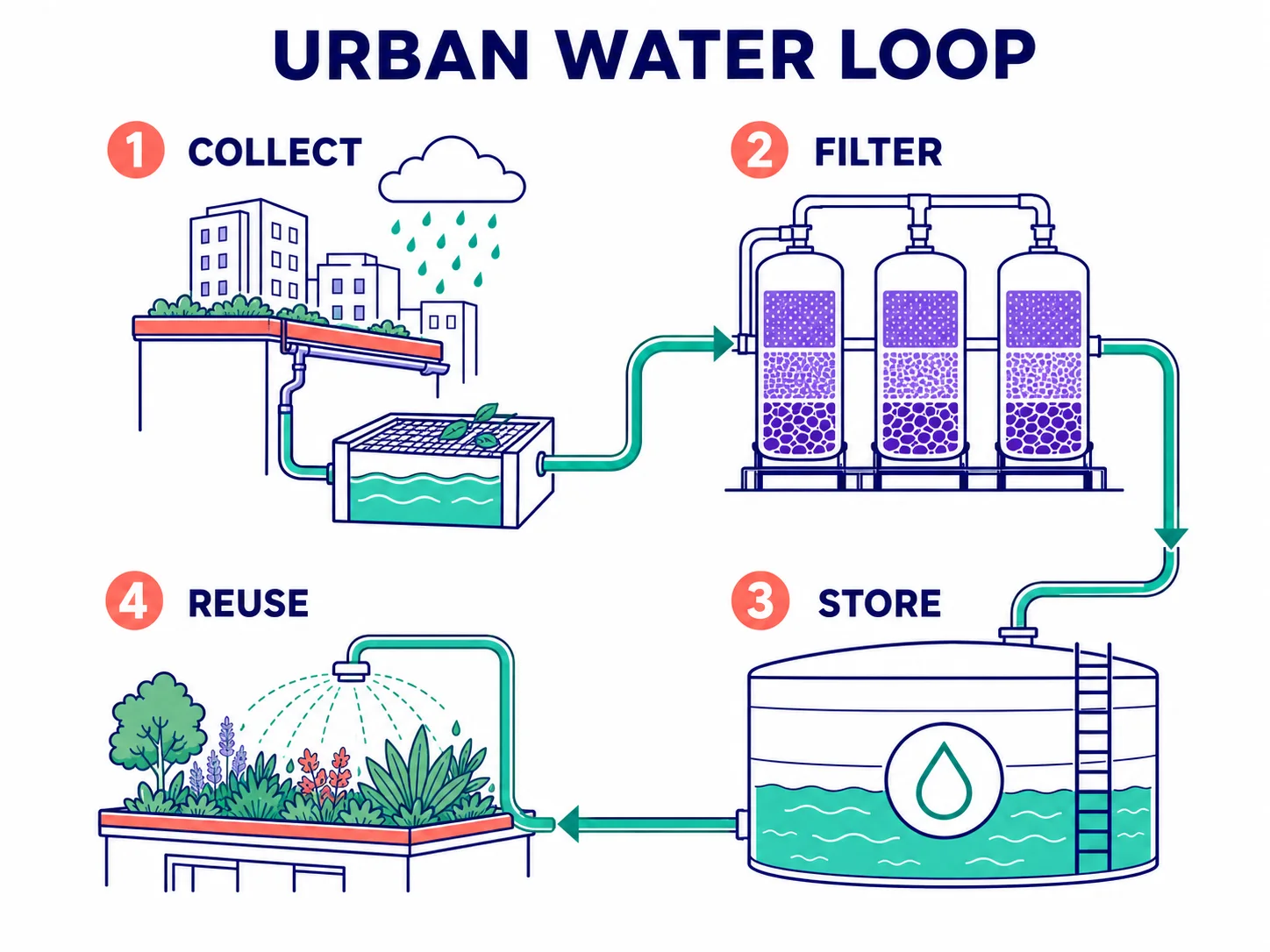
Turn Knowledge into Visual Explanations
Organize a concept into diagrams, callouts, and an explicit reading sequence. Treat generated facts and labels as drafts, then verify them against trusted source material.
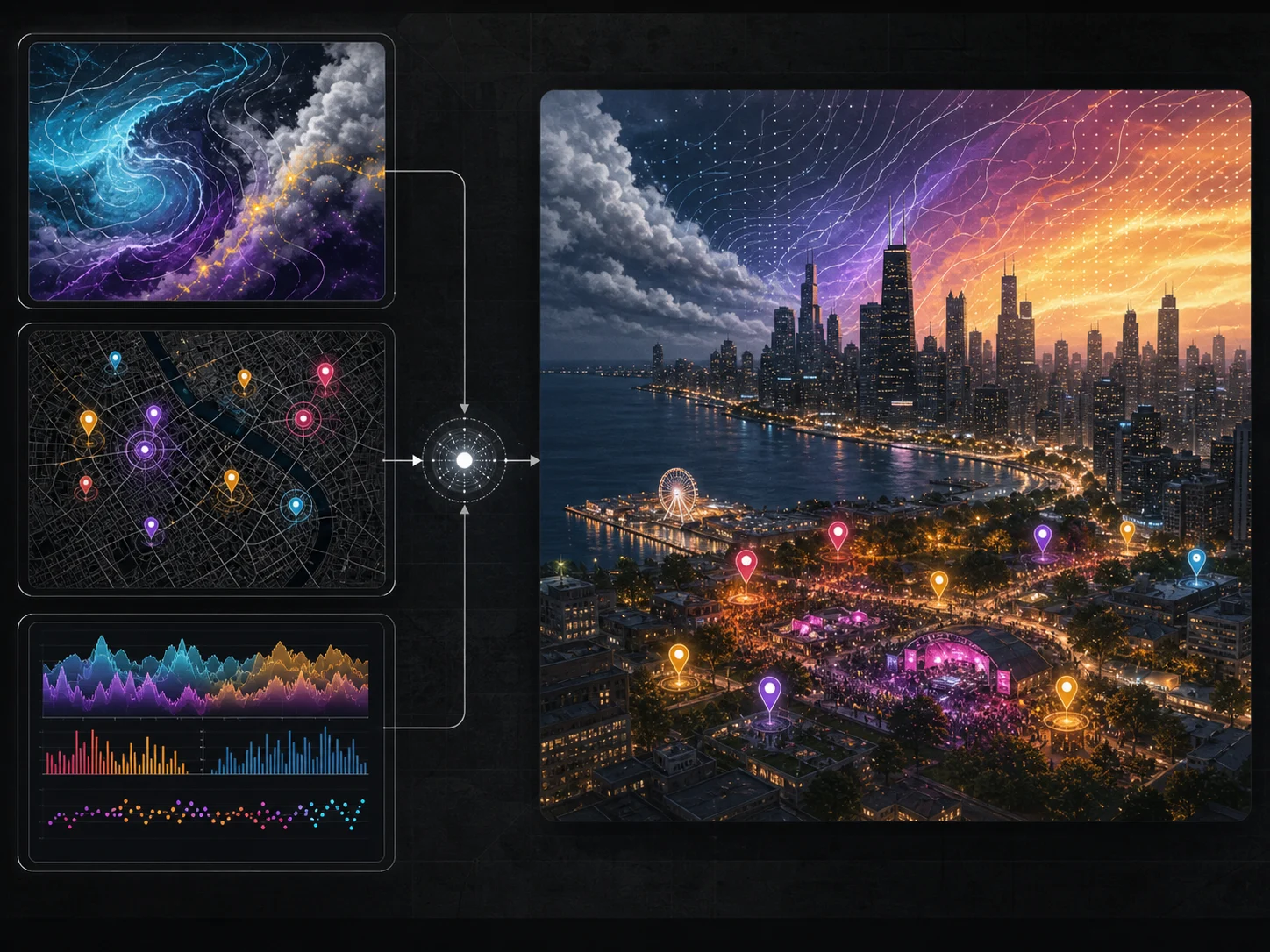
Search Current Information for Visual Context
Bring recent public context into a timely visual concept through real-time search. Verify dates, locations, numbers, and event details before using the result externally.
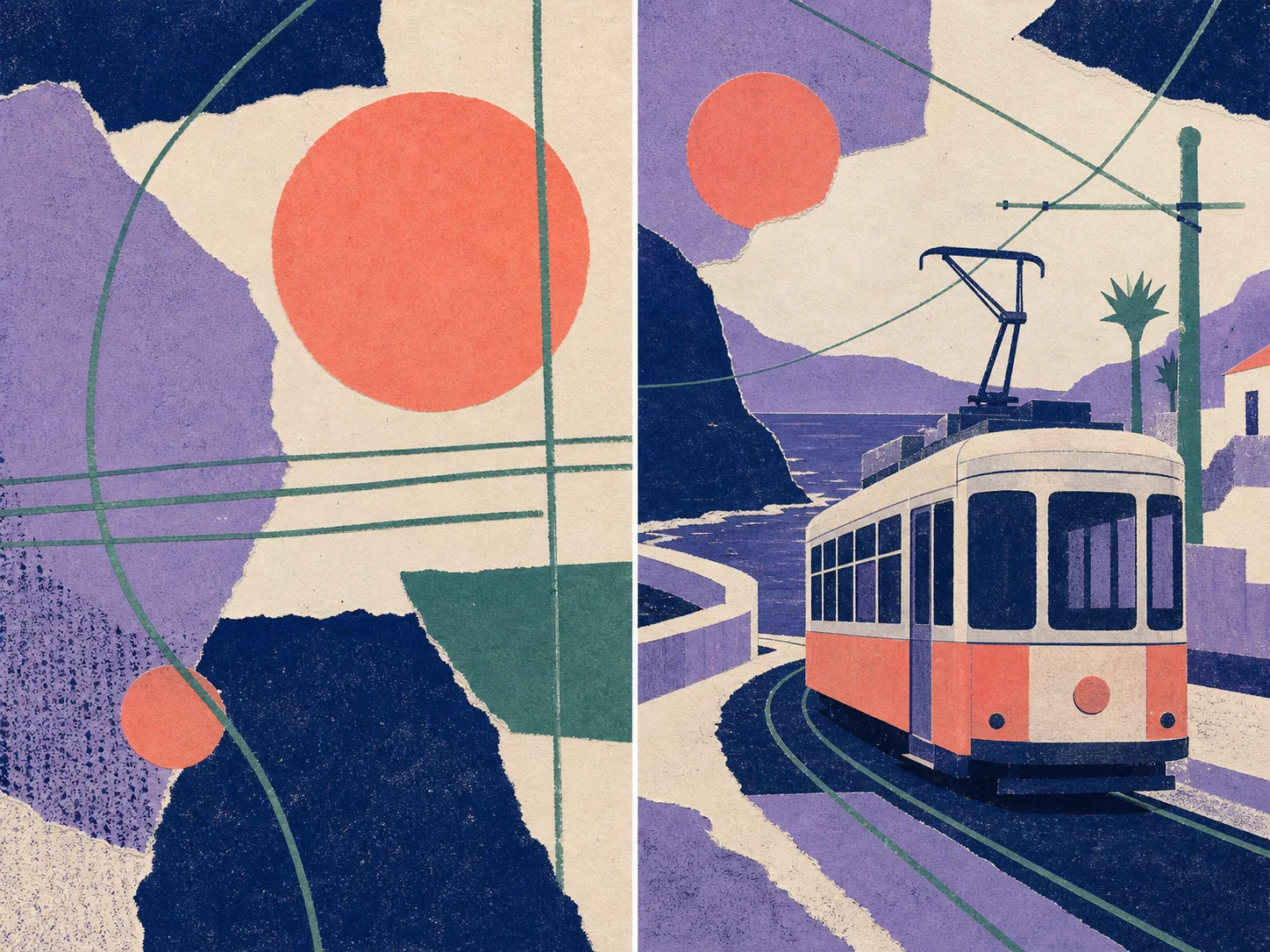
Transfer Style from a Reference Image
Apply the palette, texture, mark-making, or photographic treatment of a source to new content. Describe the style attributes explicitly instead of requesting an unexplained copy.
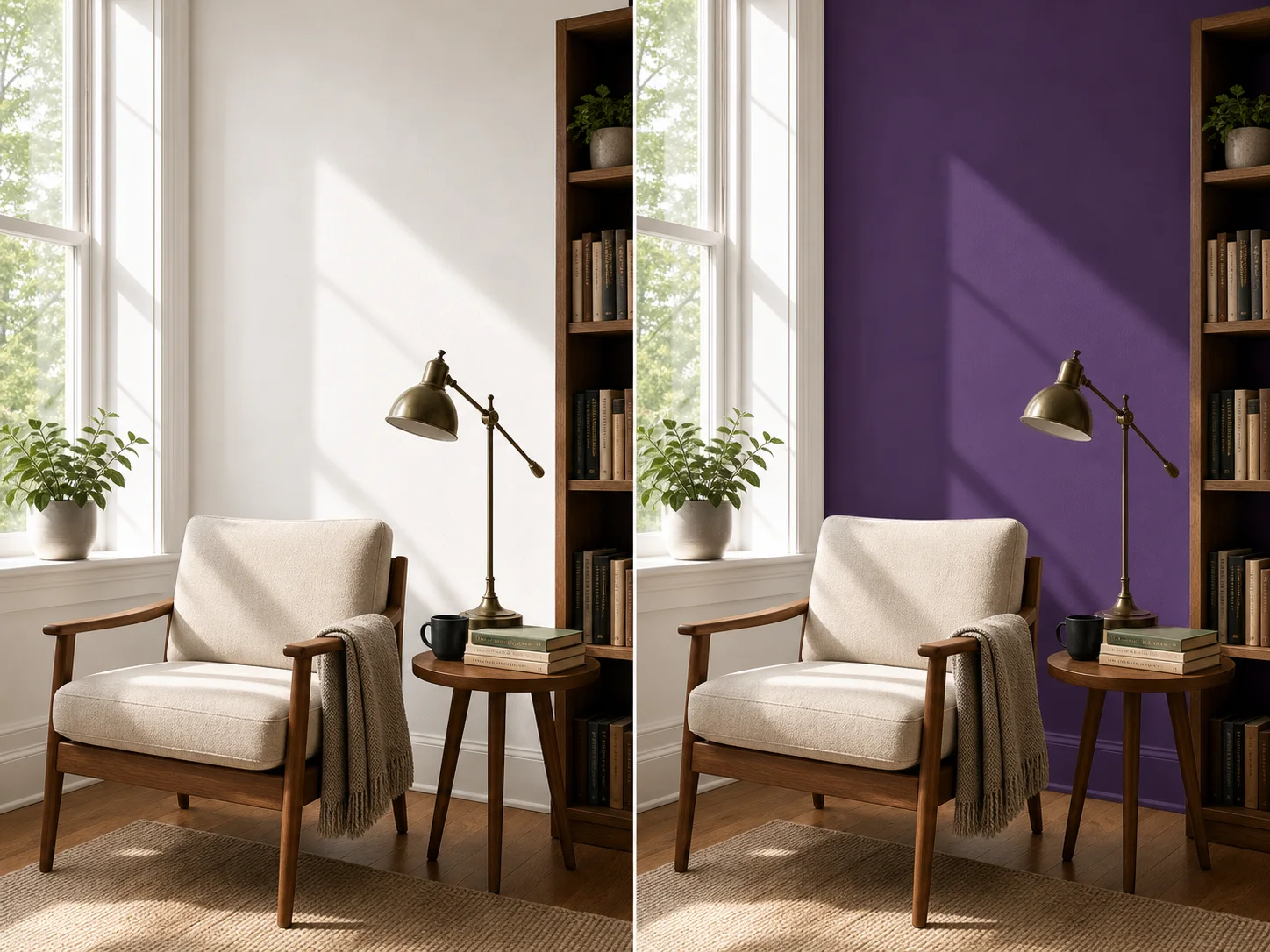
Make Targeted Edits while Preserving the Rest
Revise one local region while retaining composition, subject identity, and unaffected details. Define a narrow edit scope so preservation can be judged against the original.
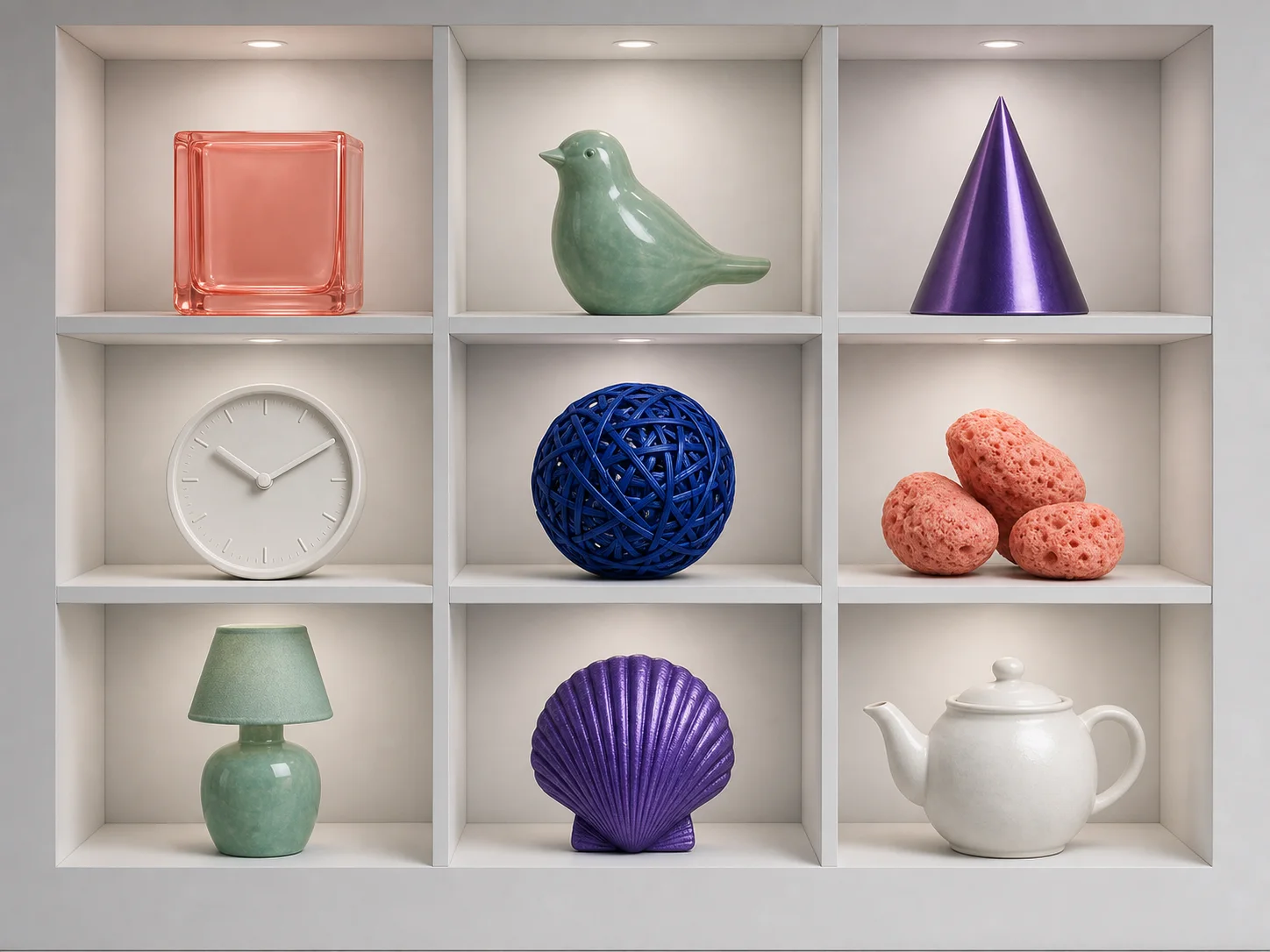
Arrange Up to Nine Subjects with Distinct Attributes
Build scenes containing multiple people or objects with individual roles and traits. State spatial relationships and attributes clearly to reduce swaps, omissions, or visual crowding.
What Is Seedream 5 Lite Built For?
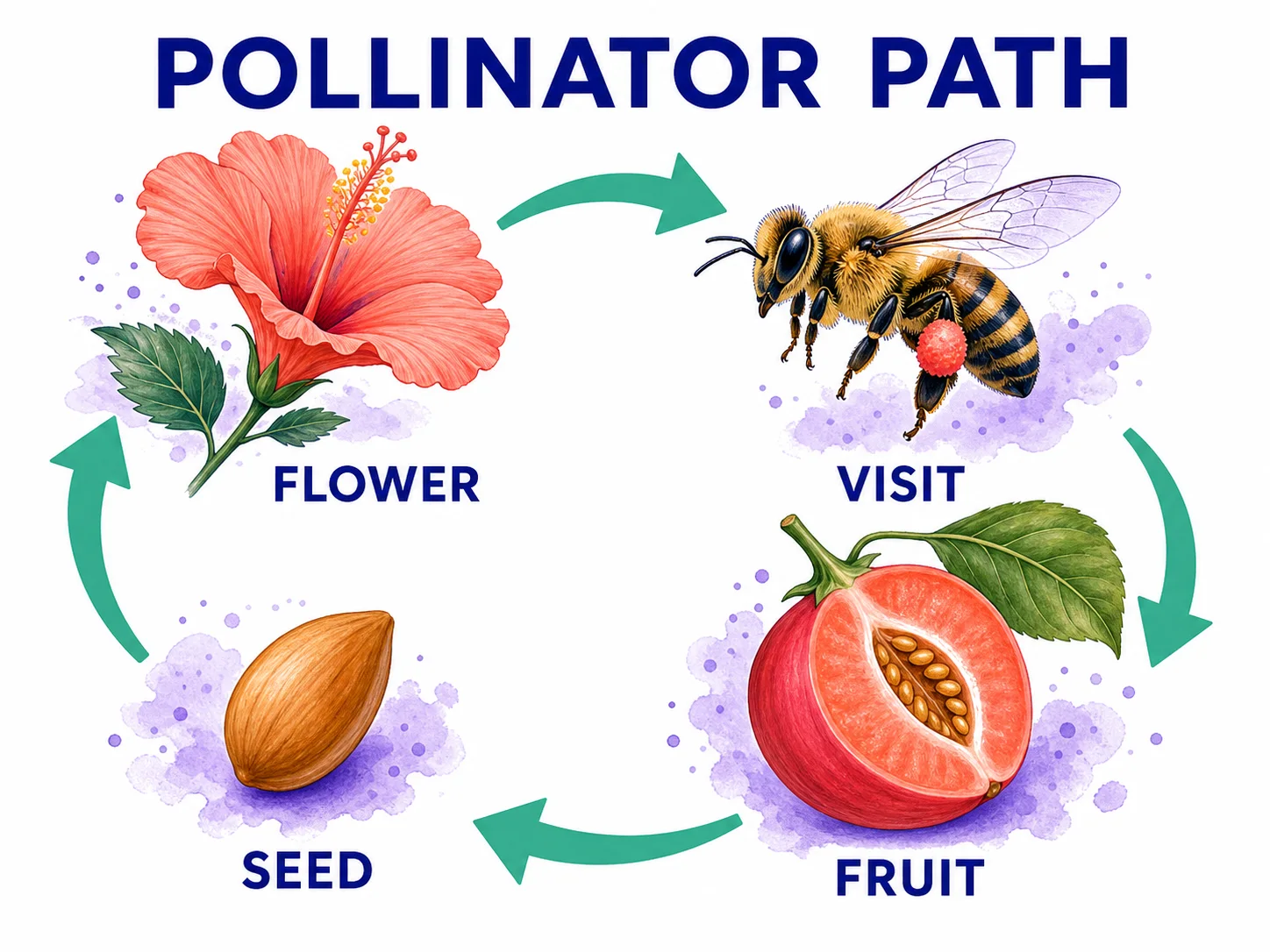
Educational explainers. Convert researched topics into structured diagrams and visual explanations with an explicit reading order, then verify every generated label and factual relationship.
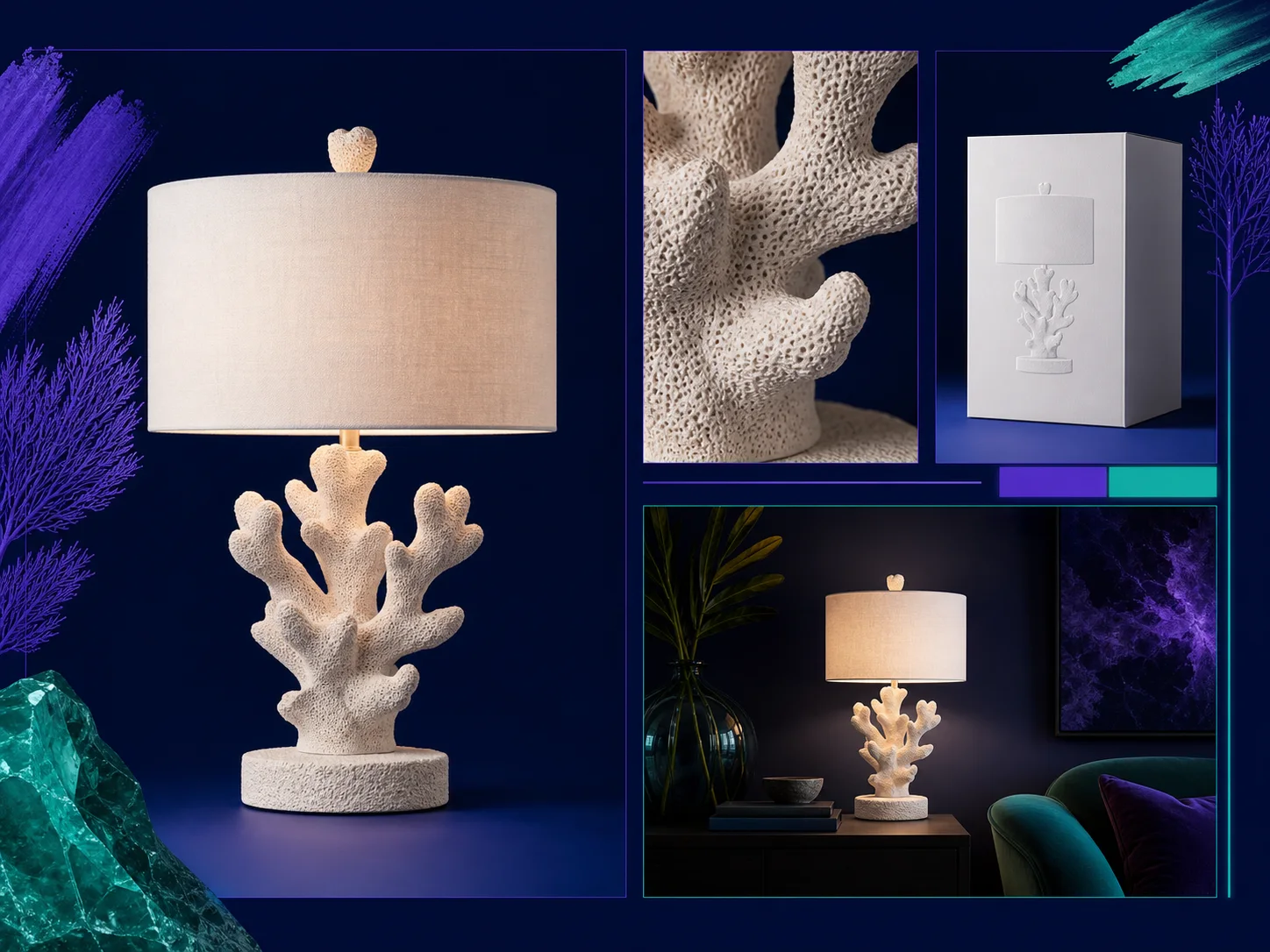
Ecommerce campaigns. Carry a product, reference style, and campaign palette across coordinated visual variants while making focused environmental or material changes for each placement.
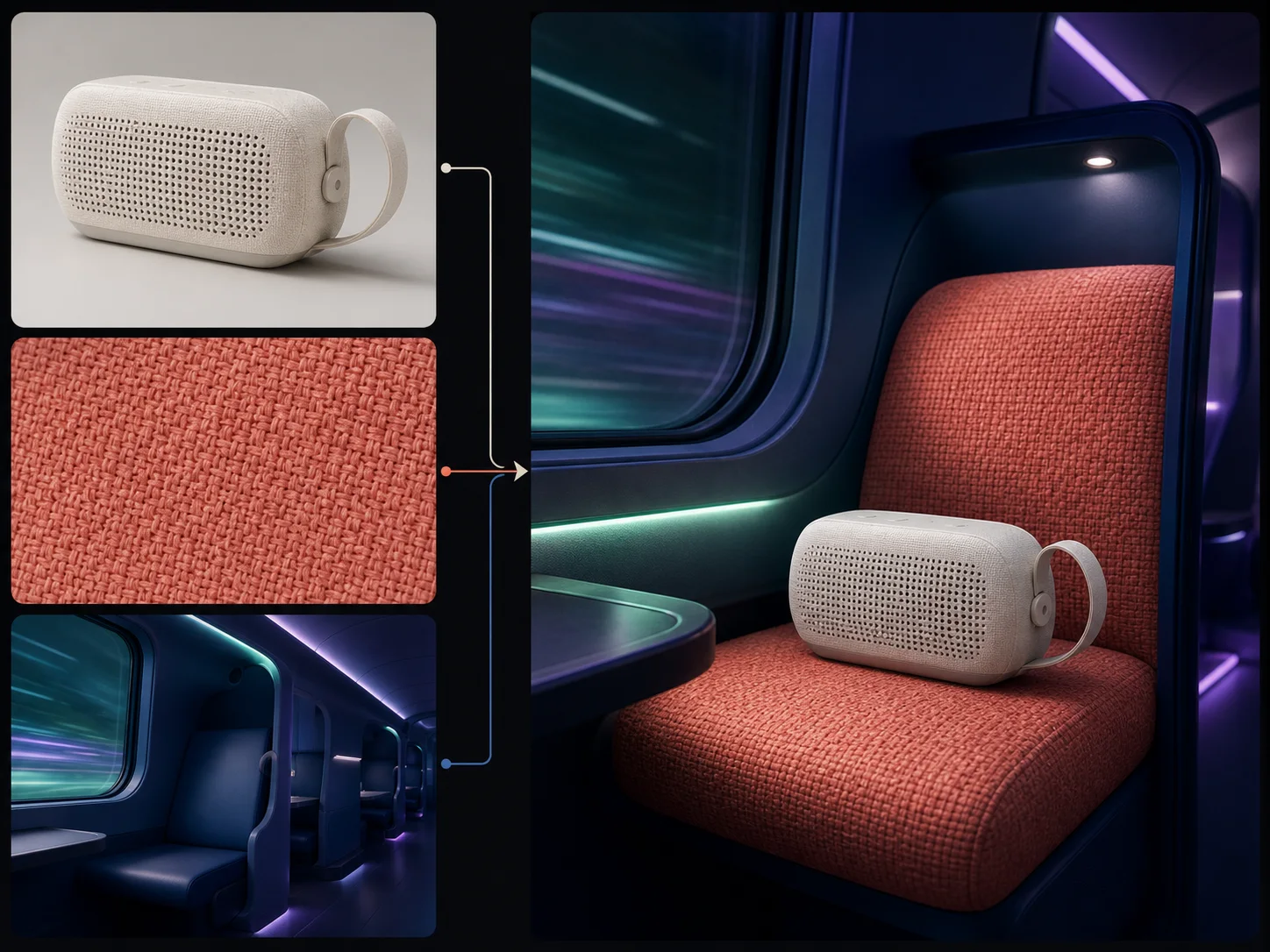
Multi-subject scenes. Arrange several people, products, or props with defined attributes and spatial relationships when a brief requires more than a simple single-subject composition.
How to Use Seedream 5 Lite on Nuzza AI For Free
Choose Generate or Edit
Start from a complex prompt, or add references for style, subject, product, environment, or a focused change.
Structure Relationships and Roles
Define the visual hierarchy, spatial relationships, source roles, edit target, and every detail that must remain stable.
Set Output and Review
Choose a size and result count, then inspect text, facts, subject attributes, style fidelity, and edit boundaries.
Seedream 5 Lite vs. Seedream 4.5 vs. Nano Banana 2
| Feature / Model | Seedream 5 Lite | Seedream 4.5 | Nano Banana 2 |
|---|---|---|---|
| Best Fit | Complex explainers, current context, style transfer, and crowded scenes. | Established Seedream creation and reference-led editing workflows. | General creation, repeated edits, visible text, and varied formats. |
| Reasoning | Unifies visual understanding, reasoning, search, and generation. | Uses the earlier family generation and editing approach. | Balances capable instruction following with broad creative use. |
| Editing | Supports precise local edits and reference-style transfer. | Handles prompt-guided transformations with defined reference roles. | Supports conversational edits and structured reference inputs. |
| Output Control | Nuzza offers 2K, 3K, 4K, and six results. | Provides its configured sizes and output-count controls. | Extends from 0.5K drafts through 4K output. |
| Choose When | Choose Lite for reasoning-rich everyday visual production. | Choose it for compatibility with an earlier workflow. | Choose it for one broad Gemini image workflow. |
FAQs about Seedream 5 Lite
What is Seedream 5 Lite?
Seedream 5 Lite is Nuzza's label for ByteDance Seedream 5.0 Lite, a unified model for understanding, reasoning, generation, and editing.
Is Seedream 5 Lite free to use?
Yes. Nuzza offers free Credits for new users to try Seedream 5 Lite. Once your free Credits are used up, you will need to subscribe to a paid plan to continue.
Can Seedream 5 Lite search current information?
ByteDance demonstrates real-time search for current visual context, but every retrieved fact and date still requires independent verification.
Can Seedream 5 Lite create infographics?
Yes. Information visualization is an official capability for turning knowledge and relationships into structured visual explanations.
Can Seedream 5 Lite transfer a reference style?
Yes. It supports precise style transfer, though the requested palette, texture, and visual treatment should be described clearly.
Can Seedream 5 Lite make local edits?
Yes. Advanced local editing can target one region while preserving unaffected subjects, geometry, composition, and lighting.
How many subjects can Seedream 5 Lite arrange?
ByteDance demonstrates complex generation with up to nine subjects carrying distinct attributes and relationships.
What output controls does Nuzza provide?
Nuzza provides common shape presets, Auto 2K, 3K, and 4K choices, and one to six requested results.
Create Reasoned Visuals with Seedream 5 Lite
Turn complex instructions, current context, references, and multi-subject briefs into structured images and controlled edits.
Try Seedream 5 Lite